












By - SignOff Semiconductors | ASIC & SoC Design ServicesFrom Algorithm to Silicon: What AI Startups Get Wrong About Custom...
Read More

Blog
17
Sep
2026
From Algorithm to Silicon: What AI Startups Get Wrong About Custom Chips
By – SignOff Semiconductors | ASIC & SoC Design Services From Algorithm to Silicon: What AI Startups Get Wrong About Custom Chips Most AI startups Almost none think about it in the right way. After working across RTL-to-GDSII programs for companies building AI accelerators, edge inference engines, and SoCs for everything from industrial vision to automotive perception, we have observed
14
Jul
2026
Choosing Between RTOS and Bare-Metal for Edge IoT Devices: A Guide from SignOff Semiconductors
Author – Saraswati Bhat, Software Engineer – I – Embedded Choosing Between RTOS and Bare-Metal for Edge IoT Devices: A Guide from SignOff Semiconductors The rapid growth of Edge IoT devices, Industrial IoT (IIoT), smart consumer electronics, and connected automotive systems has transformed how embedded software is designed. One of the most important architectural decisions in embedded systems development is choosing between a Real-Time Operating
14
Jul
2026
Embedded SoC Design Mistakes Startups Must Avoid
Author – Saraswati Bhat, Software Engineer – I – Embedded Embedded SoC Design Mistakes Startups Must Avoid The race to build innovative semiconductor products is accelerating as startups enter markets such as Artificial Intelligence (AI), Internet of Things (IoT), automotive electronics, consumer devices, industrial automation, and edge computing. While the opportunity is enormous, designing a successful System-on-Chip (SoC) remains one of the most complex
17
Jun
2026
How to Close Timing at 7nm: 5 Lessons Every Physical Design Team Should Know Why Timing Closure at 7nm Is Different
Author – Challa Krishnachaitanya Reddy With 20+ years in Design has worked on tapeouts at sub-5nm How to Close Timing at 7nm: 5 Lessons Every Physical Design Team Should Know Why Timing Closure at 7nm Is Different As semiconductor designs move to advanced process nodes, timing closure becomes significantly more challenging. At 7nm, traditional optimization techniques often fall short due
18
May
2026
Why LVS Debugging Breaks at 2nm: The Hidden Complexity of GAAFET Verification
Author – Challa Krishnachaitanya Reddy With 20+ years in Design has worked on tapeouts at sub-5nm Why LVS Debugging Breaks at 2nm: The Hidden Complexity of GAAFET Verification Abstract As semiconductor technology advances toward the 2nm node, traditional Layout Versus Schematic (LVS) debugging methodologies are becoming increasingly inadequate. The transition from FinFET to Gate-All-Around (GAAFET) architectures introduces vertically stacked nanosheet devices, backside
19
Apr
2026
Nanosheet-Aware P&R vs FinFET Flows: Why AI Defines Success at 2nm
Author – Challa Krishnachaitanya Reddy With 20+ years in Design has worked on tapeouts at sub-5nm VLSI Design at 2nm and Below: Navigating Nanosheet Complexity with AI The VLSI industry is no longer just scaling transistors – it is navigating a fundamental shift in how design complexity behaves. At older nodes, improvements were largely linear. Shrink the geometry, optimize
24
Feb
2026
Power Optimization at 2nm in 2026
Power Optimization at 2nm in 2026: How N2P and 20A Enable Sub-8% Leakage As the semiconductor industry transitions into the 2nm generation in 2026, power optimization has emerged as one of the most critical constraints in advanced SoC design. Methods that were effective at 7nm and even 5nm such as conventional clock gating or coarse voltage islands no longer deliver acceptable results at
18
Jan
2026
Chiplets Reshaping Semiconductor Design: Cost & Performance
Why Chiplets Are Reshaping Semiconductor Design: A Pragmatic Look at Cost and Performance The Economic Case for Modular Silicon The semiconductor industry is at a crossroads. The discussion on chiplets vs. monolithic, SoCs is now more than just technical. It is changing the way processors are made. Traditional chips are reaching their limits. Wafer costs at advanced nodes exceed $2,000,
17
Dec
2025
AI Revolution in Semiconductors | Compute, Memory & Edge Growth
The AI Revolution in Semiconductors: How Industry Trends Are Driving Growth Across Compute, Memory, and Edge Interest in AI hardware is rising as the semiconductor industry trends towards faster computing and specialised designs. This, in turn, is changing investment focus and market outlook. Organisations across sectors now recognise that competitive advantage increasingly depends on silicon built for intelligence at scale.
10
Nov
2025
Advancing Semiconductor Design: Our Presence at SemIsrael Expo 2025
Advancing Semiconductor Design: Our Presence at SemIsrael Expo 2025 Our Participation at SemIsrael Expo 2025 SignOff Semiconductors will proudly participate in the SemIsrael Expo chip design track on Tuesday, 11 November, 2025 at the Avenue Convention Centre Airport City Israel. This prestigious event is a much-awaited gathering for the global semiconductor industry, connecting technologists and innovators who are shaping next-generation
Customers
Partners
Our Blog
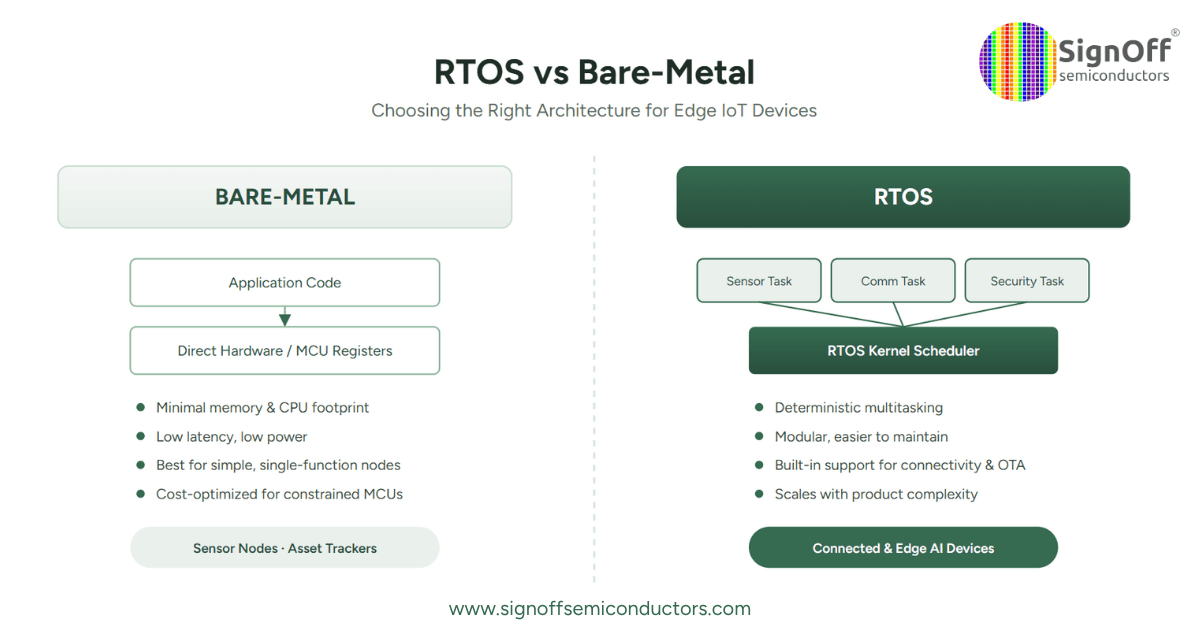
Choosing Between RTOS and Bare-Metal for Edge IoT Devices: A Guide from SignOff Semiconductors
Author – Saraswati Bhat, Software Engineer - I - EmbeddedChoosing Between RTOS and Bare-Metal for Edge IoT Devices: A Guide...
Read More
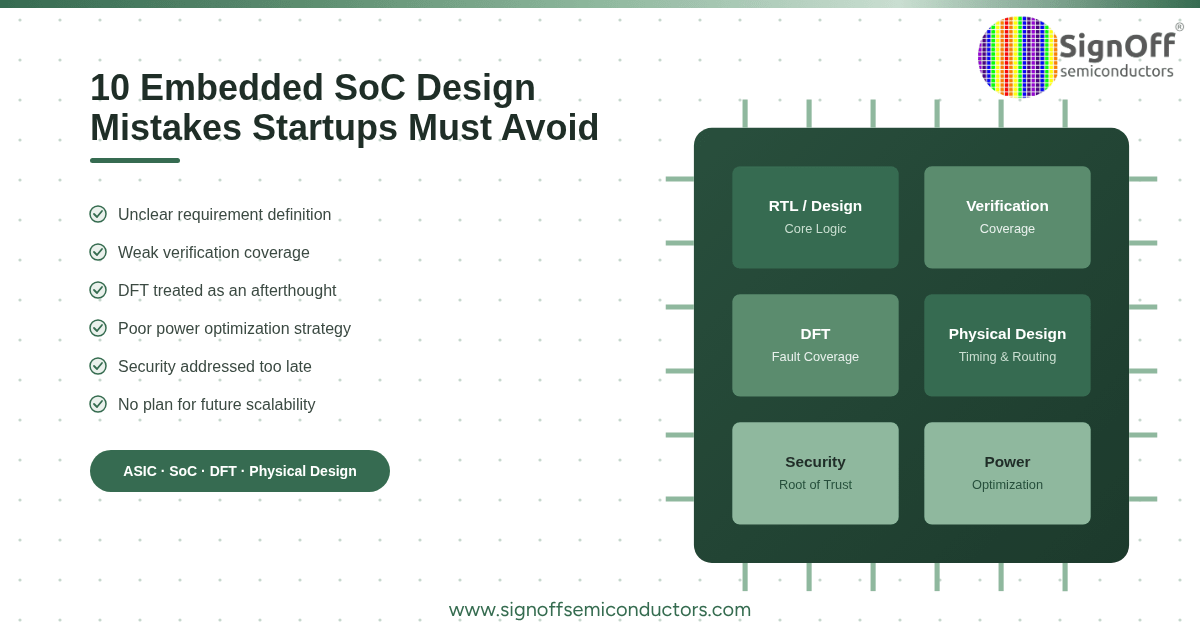
Embedded SoC Design Mistakes Startups Must Avoid
Author – Saraswati Bhat, Software Engineer - I - Embedded Embedded SoC Design Mistakes Startups Must Avoid The race to...
Read More
How to Close Timing at 7nm: 5 Lessons Every Physical Design Team Should Know Why Timing Closure at 7nm Is Different
Author - Challa Krishnachaitanya Reddy With 20+ years in Design has worked on tapeouts at sub-5nm How to Close Timing...
Read More
Why LVS Debugging Breaks at 2nm: The Hidden Complexity of GAAFET Verification
Author - Challa Krishnachaitanya Reddy With 20+ years in Design has worked on tapeouts at sub-5nmWhy LVS Debugging Breaks at...
Read More
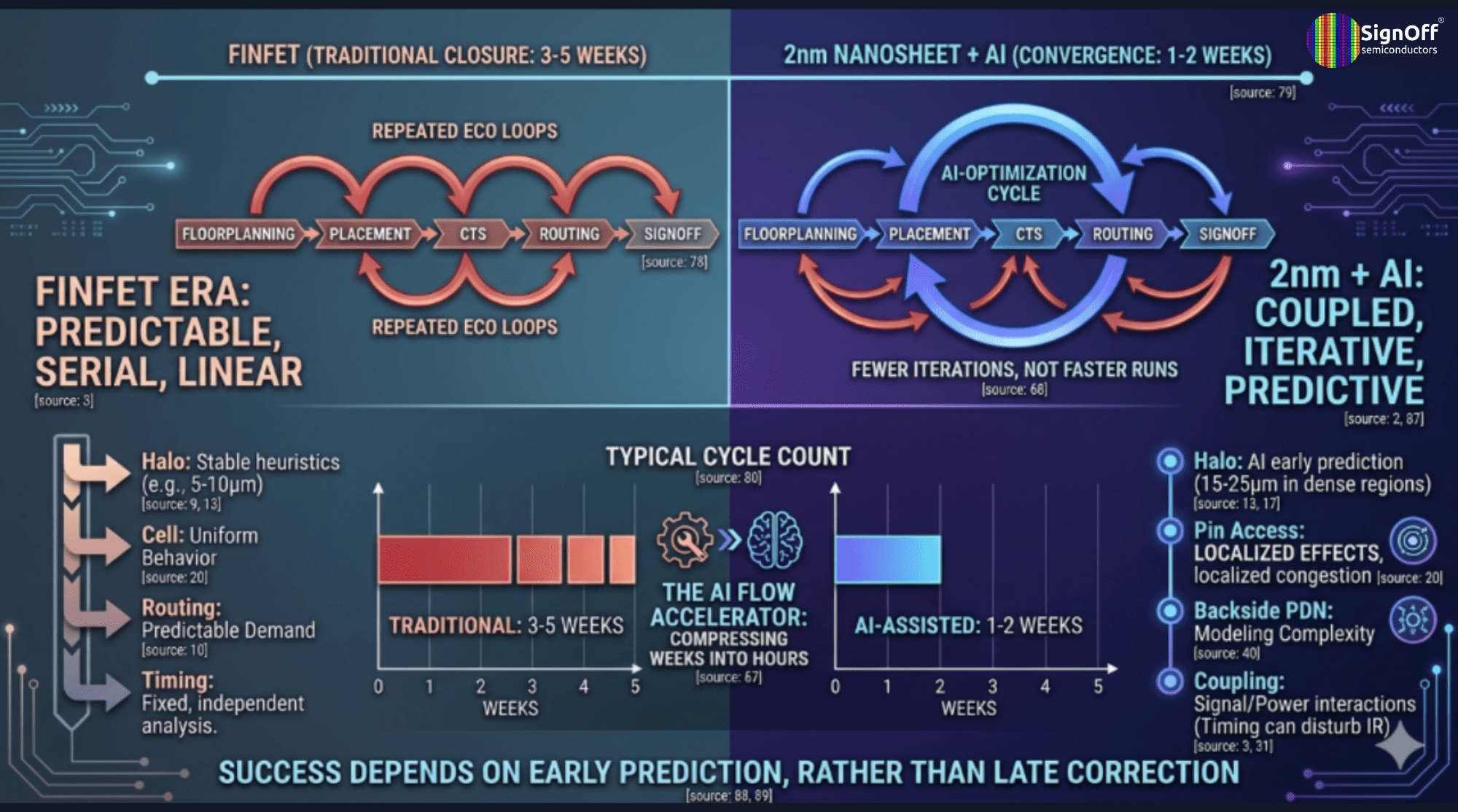
Nanosheet-Aware P&R vs FinFET Flows: Why AI Defines Success at 2nm
Author - Challa Krishnachaitanya Reddy With 20+ years in Design has worked on tapeouts at sub-5nm VLSI Design at...
Read More

Power Optimization at 2nm in 2026
Power Optimization at 2nm in 2026: How N2P and 20A Enable Sub-8% Leakage As the semiconductor industry transitions into the...
Read More

AI Revolution in Semiconductors | Compute, Memory & Edge Growth
The AI Revolution in Semiconductors: How Industry Trends Are Driving Growth Across Compute, Memory, and EdgeInterest in AI hardware is...
Read More
Empowering Healthcare Devices with SignOff’s ASIC SoC: Kaveri
Empowering Healthcare Devices with SignOff’s ASIC SoC: Kaveri The surge in demand for portable healthcare products has accelerated the need...
Read More

Making a Difference: CSR Initiatives by Signoff Semiconductors
Making a Difference: CSR Initiatives by Signoff Semiconductors Introduction Creating a strong social impact has always been one of the...
Read More
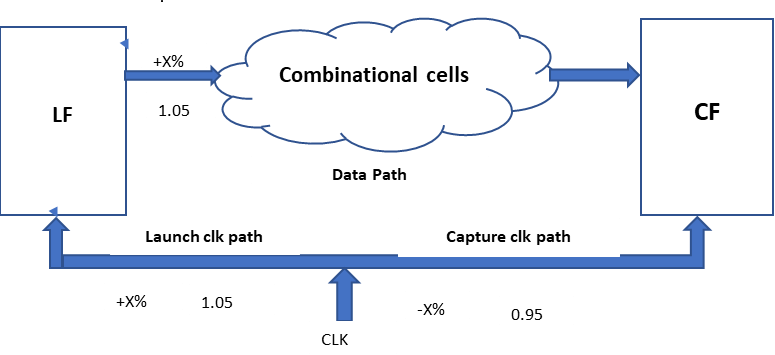
OCV, AOCV, and POCV
OCV, AOCV, and POCV In OCV, a fixed delay factor is applied to the delay of all the cells present...
Read More
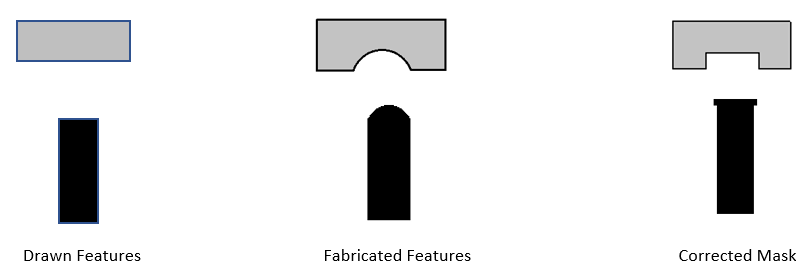
Optical Proximity Correction (OPC)
Introduction Optical Proximity Correction OPC is a resolution enhancement technique based on optical lithography. It is used in sub-wavelength lithography...
Read More
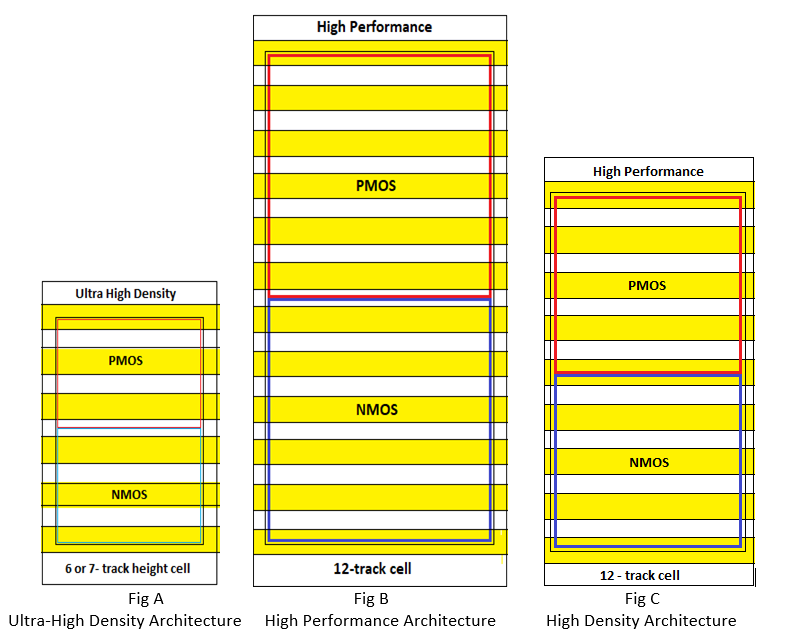
Layout Blog: Standard Cells
Layout Blog: Standard Cells Multiple Architectures Standard-cell library offers multiple architecture for best optimisation in performance, power, and area requirements...
Read More
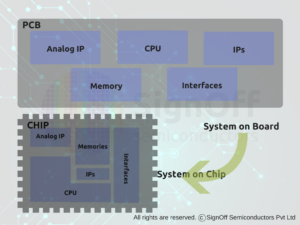
IC Design & Flow Overview
IC Design & Flow Overview INTRODUCTION:Integrated circuits (ICs) have revolutionized the world as we know it. They power the devices...
Read More
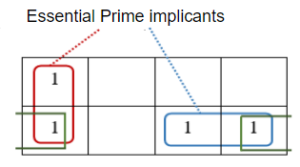
Boolean Expressions-2
We hope you had a good understanding of Boolean Expressions which is available @ Boolean Expressions. In this blog, we...
Read More
Logic Gates
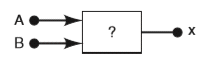
We hope you had a good understanding of Number Systems which is available @ Number Systems. For building hardware, we...
Read More


India Location
Bangalore, India (Registered Office)
1st and 2nd Floor, 228, 6th A Main Rd, 2nd A Block, HRBR Layout, Kalyan Nagar, Bengaluru, Karnataka 560043
CIN : U72200KA2015PTC084617
1st and 2nd Floor, 228, 6th A Main Rd, 2nd A Block, HRBR Layout, Kalyan Nagar, Bengaluru, Karnataka 560043
CIN : U72200KA2015PTC084617
Hyderabad, India
Trendz JR Plot No: 23 &24, 1st Floor, Vittal Rao Nagar, Gafoornagar, Telangana-500081, India.
Trendz JR Plot No: 23 &24, 1st Floor, Vittal Rao Nagar, Gafoornagar, Telangana-500081, India.
Global Locations
San Jose, USA
6469 Almaden Expy Ste 80 #438 San Jose, CA 95120
6469 Almaden Expy Ste 80 #438 San Jose, CA 95120
Canada
Signoff Semiconductors Inc
570 Hood Rd Unit 14 #4016 Markham, ON L3R 4G7 Canada
Signoff Semiconductors Inc
570 Hood Rd Unit 14 #4016 Markham, ON L3R 4G7 Canada
Malaysia
SignOff Semiconductors Malaysia SDN BHD,
Penang, Malaysia
SignOff Semiconductors Malaysia SDN BHD,
Penang, Malaysia